


Frankincense carries a lot of promises, and very few of them separate the plant, the resin and the distilled oil cleanly. This overview gathers the solid, peer-reviewed studies on Boswellia frereana (Maydi) and Boswellia carterii (Beeyo) and sets out honestly which findings can reasonably be attributed to a distilled essential oil and which cannot.
Two Somali frankincense species
The genus Boswellia spans more than twenty species across north-east Africa, southern Arabia and India. Two are central to the Somali trade: Boswellia frereana, known locally as Maydi, a premium grade from the higher elevations of northern Somalia, and Boswellia carterii, known locally as Beeyo. Both need to be distinguished from Boswellia serrata, the Indian species behind most of the boswellic-acid arthritis literature, and from Boswellia sacra of Oman, with which carterii is often treated as synonymous.
The oleo-gum-resin consists roughly of 5 to 9 percent volatile essential oil, 65 to 85 percent alcohol-soluble resin of di- and triterpenes, and a water-soluble gum fraction. Marketing routinely conflates two separate things: the species on one hand, and the volatile essential oil versus the non-volatile boswellic acids on the other.
Botany and chemistry
Frereana resin is notable for largely lacking the beta-boswellic-acid series that characterises serrata. Its volatile fraction is rich in monoterpenes such as alpha-pinene, alpha-thujene, sabinene and para-cymene. In their resin extract, Blain and colleagues identified the pentacyclic triterpene epi-lupeol as the principal constituent.
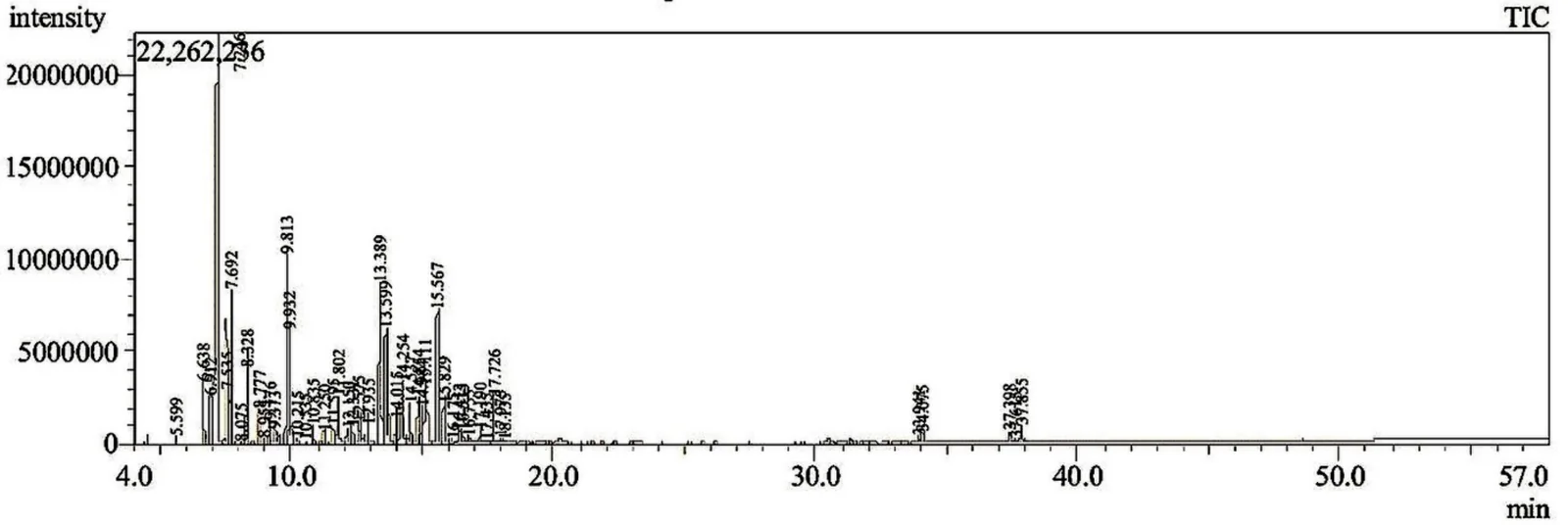
The essential oil of carterii is dominated by alpha-pinene. Mohamed and colleagues identified 48 components by GC/MS, with alpha-pinene accounting for 35.8 percent. One fact governs everything that follows: boswellic acids such as 3-acetyl-11-keto-beta-boswellic acid are non-volatile pentacyclic triterpenic acids. They sit in the resin, or the alcohol-soluble fraction, and are not meaningfully carried into a steam-distilled oil.
What is documented for Boswellia frereana
In the only dedicated mechanistic study to date, Blain and colleagues used an in vitro model of bovine articular-cartilage explants, in which degradation was driven by interleukin-1alpha and oncostatin M. Treatment with 100 micrograms per millilitre of frereana extract inhibited breakdown of the collagenous matrix, lowered MMP-9 and MMP-13 mRNA, suppressed MMP-9 expression and activation, and significantly reduced nitrite, prostaglandin E2 and cyclo-oxygenase-2. It was the first report of anti-inflammatory activity for frereana. Notably, the active extract’s principal constituent was epi-lupeol, not a boswellic acid.
At the genus level, Obiștioiu and colleagues characterised a commercial Boswellia oil containing carteri, sacra, papyrifera and frereana, reporting antioxidant, anti-inflammatory and antimicrobial activity against Gram-positive and Gram-negative bacteria and Candida, supported by molecular docking. Species-specific data for frereana oil alone, however, remain scarce.
What is documented for Boswellia carterii
Frank and colleagues reported that frankincense oil from carteri reduced the viability of J82 bladder-carcinoma cells while sparing immortalised normal urothelial cells (UROtsa), a sign of tumour-cell selectivity in the cell model. Microarray analysis showed activation of genes for cell-cycle arrest, growth suppression and apoptosis. The authors stressed the preliminary nature of a single-cell-line study.
More recently, Mohamed and colleagues tested carterii oil and a chitosan nano-formulation against breast cancer models (MCF-7, MDA-MB-231 and 4T1) in vitro and in a 4T1 mouse model, observing reductions in cell viability that varied across cell lines and doses. These findings are at a very early stage. Earlier, Chevrier and colleagues showed that a carterii extract inhibited TH1 cytokines and promoted TH2 cytokines in vitro, consistent with an immunomodulatory profile.
Skin and cosmetics
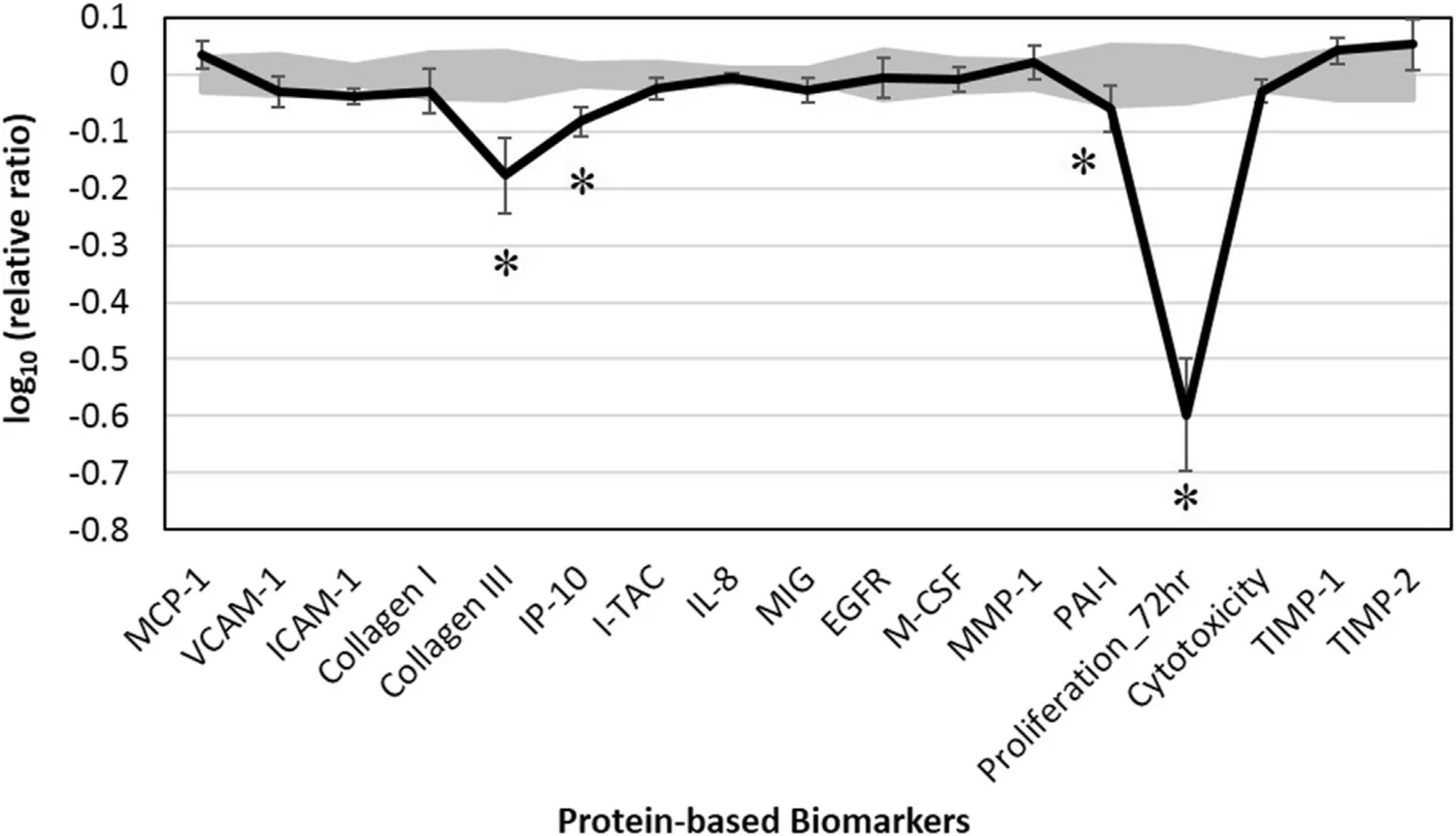
Han and colleagues provided the first investigation of frankincense oil in human dermal fibroblasts. The oil was anti-proliferative and significantly lowered collagen III, interferon-gamma-induced protein 10 (IP-10) and intercellular adhesion molecule 1 (ICAM-1); it also altered genome-wide expression of pathways for inflammation, immune response and tissue remodelling. The study is industry-funded and in vitro. It points to effects on skin-cell signalling, but it is not clinical proof of an anti-aging benefit.
The strongest human evidence in the wider frankincense field comes from Pedretti and colleagues: a randomised, double-blind, split-face study in 15 female volunteers using a cream with 0.5 percent boswellic acids from serrata resin, once daily for 30 days. The treated side showed significantly smoother skin and fewer fine lines, improved elasticity and reduced sebum, attributed mechanistically to inhibited MMP-1 transcription in fibroblasts; the cream was well tolerated. This, however, is a resin-derived-actives result, not a distilled-oil result, a distinction often lost in marketing.
The frequently repeated claim that frankincense balances hormones or relieves menstrual and menopausal symptoms is not supported by rigorous, species-specific clinical trials and rests largely on tradition and grey literature. It should not be presented as established.
The decisive point: distillate is not boswellic acid
Steam distillation separates the volatile mono- and sesquiterpenes, which pass into the oil, while the non-volatile triterpenic acids stay in the residue. Transferring evidence to a distilled product is therefore conditional. Studies that actually tested the oil, namely Frank, Han, Mohamed and Obiștioiu, are directly relevant. Data on boswellic acids and on serrata, including the much-cited arthritis literature and the Pedretti skin study, are not.
For frereana there is a further caveat: Blain used an extract, and the low volatility of epi-lupeol makes its carry-over into a distillate uncertain and method-dependent. It should be quantified by GC/MS for a given oil before any activity is inferred.
Limits and open questions
- The evidence is predominantly in vitro and animal. Human trials are few, and none addresses the distilled oils of these two species specifically.
- Commercial oils vary widely in composition. Chemotype and distillation method shape the constituent profile and therefore the activity.
- Two of the cited works are industry-affiliated (Han 2017, Mohamed 2025) and warrant cautious reading.
- The largest gap: chemotyped, GC/MS-characterised frereana and carterii distillates evaluated in validated skin models and, ultimately, in controlled human studies.
Conclusion
The essential oils of frereana and carterii show promising but largely preclinical activities: anti-inflammatory and cartilage-protective effects for a frereana extract, plus tumour-selective cytotoxicity, dermal-fibroblast modulation, and antioxidant and antimicrobial activity for carterii oil. The epi-lupeol pathway of frereana is a genuine and commercially under-explored point of difference. Honest communication means separating oil pharmacology from boswellic-acid pharmacology, and preclinical signals from clinical proof. How we translate that into concrete, supportable statements is set out in our piece on evidence and honest claims.
Sources
- 01 Blain EJ, Ali AY, Duance VC (2010). Boswellia frereana suppresses cytokine-induced matrix metalloproteinase expression and production of pro-inflammatory molecules in articular cartilage. Phytother Res. 24(6):905-912.
- 02 Frank MB, Yang Q, Osban J, et al. (2009). Frankincense oil derived from Boswellia carteri induces tumor cell specific cytotoxicity. BMC Complement Altern Med. 9:6.
- 03 Han X, Rodriguez D, Parker TL (2017). Biological activities of frankincense essential oil in human dermal fibroblasts. Biochim Open. 4:31-35.
- 04 Obiștioiu D, Hulea A, Cocan I, et al. (2023). Boswellia essential oil: natural antioxidant as an effective antimicrobial and anti-inflammatory agent. Antioxidants (Basel). 12(10):1807.
- 05 Chevrier MR, Ryan AE, Lee DY, et al. (2005). Boswellia carterii extract inhibits TH1 cytokines and promotes TH2 cytokines in vitro. Clin Diagn Lab Immunol. 12(5):575-580.
- 06 Mohamed N, Ismail H, Nasr GM, et al. (2025). Anti-tumor potential of frankincense essential oil and its nano-formulation in breast cancer: an in vivo and in vitro study. Pharmaceutics. 17(4):426.
- 07 Pedretti A, Capezzera R, Zane C, et al. (2010). Effects of topical boswellic acid on photo and age-damaged skin: a double-blind, randomized, split-face study. Planta Med. 76(6):555-560.
This article describes botany, constituents (per published phytochemical analyses), origin and tradition. It makes no medical or health claims.
© Farah Duale

